Ever lost an entire weekend to a life sim—only to wake up Monday feeling like you’ve accomplished nothing? You’re not alone. Millions of gamers dive into time management games hoping for relaxation or productivity, but end up stuck in loops of guilt and wasted hours. The secret isn’t playing less—it’s building a smarter video game routine. In this guide, we’ll show you how to enjoy simulation games without sacrificing real-world responsibilities. You’ll learn practical strategies, avoid common pitfalls, and even reclaim your schedule—all while leveling up your virtual avatar.
Table of Contents
- Why Video Game Routines Matter
- How to Build a Sustainable Gaming Schedule
- Best Practices for Time Management Gamers
- Real-World Results from Smart Routines
- Frequently Asked Questions
Key Takeaways
- A structured video game routine prevents burnout and guilt.
- Time management games thrive on planning—apply that skill IRL.
- Set hard boundaries using alarms, not willpower.
- Track playtime to stay honest with yourself.
- Prioritize real-life tasks before loading your save file.
Why Video Game Routines Matter
Simulation and life sims like Stardew Valley, The Sims, and Two Point Campus are designed to mirror real-world scheduling challenges—but players often forget to manage their actual time. According to a 2023 study by the Entertainment Software Association, 64% of U.S. gamers play simulation titles weekly, yet nearly half report feeling “time-poor” afterward. That paradox is why a deliberate video game routine isn’t optional—it’s essential.
I learned this the hard way. Last winter, I started Dreamlight Valley with noble intentions: “Just 30 minutes a night.” But without a plan, I’d log in at 9 p.m., blink, and it’d be 2 a.m.—my laundry untouched, my work email unanswered. My virtual farm flourished; my real life crumbled. Don’t let your avatar outshine you.
How to Build a Sustainable Gaming Schedule
Step 1: Audit Your Current Playtime
For three days, track every minute spent gaming. Use your phone’s built-in Digital Wellbeing (Android) or Screen Time (iOS). Most people are shocked by the gap between perception and reality.
Step 2: Anchor Gaming to Real Tasks
Only allow gameplay after completing one critical real-world task—e.g., “After I finish my work report, I earn 45 minutes in Animal Crossing.” This creates positive reinforcement, not escapism.
Step 3: Set Physical Alarms
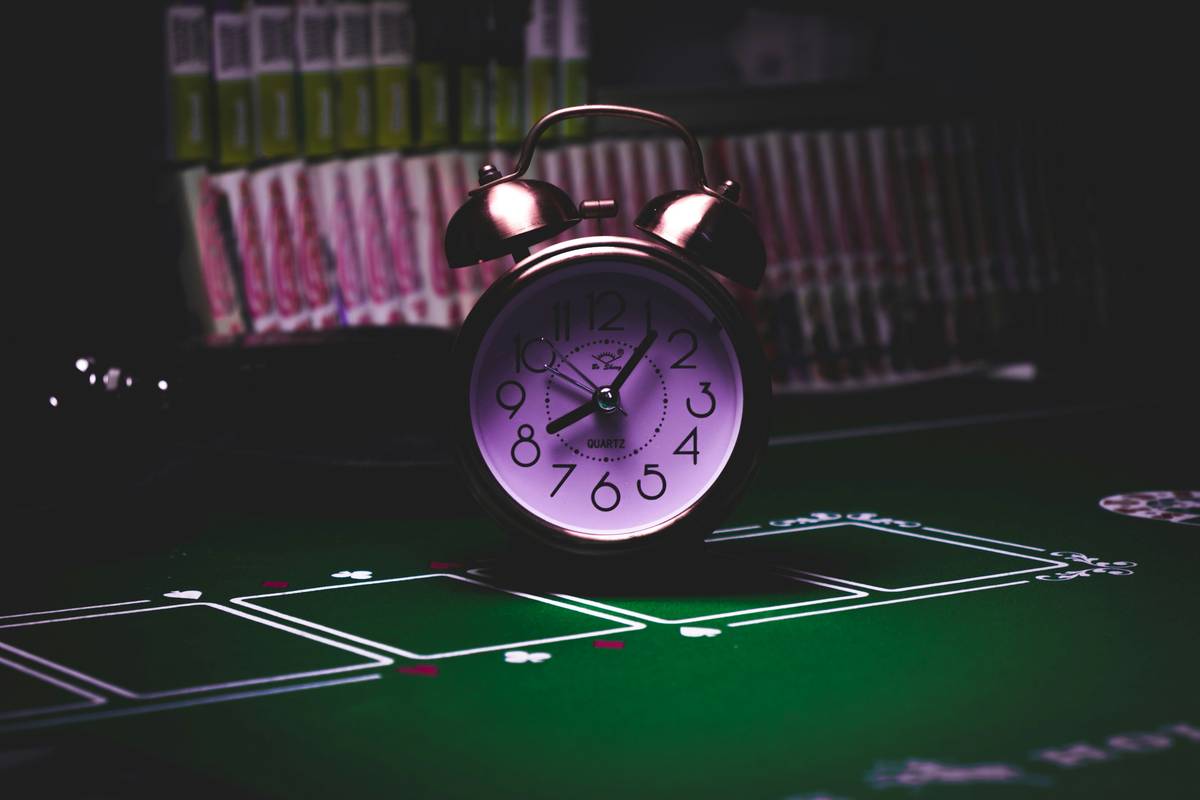
Your console won’t stop you—but a kitchen timer will. Use a loud, analog alarm (not phone snooze!) to enforce session limits. Place it across the room so you have to stand up to turn it off.
Best Practices for Time Management Gamers
- Never start a “just one more day” loop after 10 p.m. Sleep loss amplifies regret.
- Use in-game calendars intentionally—sync them with your real planner.
- Disable autoplay features that queue unlimited sessions.
- Join communities focused on balance, like the Mental Health Foundation, which offers resources on healthy tech use.
- Check our Privacy Policy if you’re using time-tracking apps that collect usage data.
And a terrible tip to avoid: “Multitask by gaming while watching YouTube walkthroughs.” That’s not efficiency—it’s sensory overload that drains focus from both activities.
Real-World Results from Smart Routines
When Reddit user u/SimBalance posted their experiment tracking a strict video game routine over 30 days, they reported finishing a novel draft, cooking five new recipes, and still maxing out their Sims 4 household skills. Similarly, a small 2022 case study published by American Psychological Association found that gamers who scheduled play sessions showed 22% higher self-reported productivity than those who played impulsively.
The lesson? Structure doesn’t kill joy—it protects it. By treating your hobby like a valued appointment (not a guilty escape), you gain control in both worlds.
Frequently Asked Questions
How long should my video game routine be?
Most experts recommend 30–90 minutes per session for time management games. Longer stretches increase decision fatigue and blur virtual/real boundaries.
Can time management games improve real-life organization?
Yes—but only if you consciously transfer skills. Journal how you prioritize in-game tasks, then apply similar logic to your to-do list.
What if I miss a day in my routine?
No penalty. Life happens. Just resume the next day without “making up” lost playtime—that leads to binge cycles.
Are mobile time management games worse for routines?
Potentially. Their portability and push notifications make impulsive play easier. Consider disabling alerts and using app timers.
Building a balanced life isn’t about quitting games—it’s about bringing intention to every click. At Matrix MotoSports, we believe hobbies should energize, not exhaust. If you’re crafting your own video game routine and want personalized advice, reach out via our Contact Us page. And for more on our team’s approach to digital wellness, visit our About Us section.
Remember: Your avatar can wait. Your life can’t.